- English
- French
- German
- Portuguese
- Spanish
- Russian
- Japanese
- Korean
- Arabic
- Greek
- German
- Turkish
- Italian
- Danish
- Romanian
- Indonesian
- Czech
- Afrikaans
- Swedish
- Polish
- Basque
- Catalan
- Esperanto
- Hindi
- Lao
- Albanian
- Amharic
- Armenian
- Azerbaijani
- Belarusian
- Bengali
- Bosnian
- Bulgarian
- Cebuano
- Chichewa
- Corsican
- Croatian
- Dutch
- Estonian
- Filipino
- Finnish
- Frisian
- Galician
- Georgian
- Gujarati
- Haitian
- Hausa
- Hawaiian
- Hebrew
- Hmong
- Hungarian
- Icelandic
- Igbo
- Javanese
- Kannada
- Kazakh
- Khmer
- Kurdish
- Kyrgyz
- Latin
- Latvian
- Lithuanian
- Luxembou..
- Macedonian
- Malagasy
- Malay
- Malayalam
- Maltese
- Maori
- Marathi
- Mongolian
- Burmese
- Nepali
- Norwegian
- Pashto
- Persian
- Punjabi
- Serbian
- Sesotho
- Sinhala
- Slovak
- Slovenian
- Somali
- Samoan
- Scots Gaelic
- Shona
- Sindhi
- Sundanese
- Swahili
- Tajik
- Tamil
- Telugu
- Thai
- Ukrainian
- Urdu
- Uzbek
- Vietnamese
- Welsh
- Xhosa
- Yiddish
- Yoruba
- Zulu
How to Use and Calibrate a Pointer Torque Wrench for Precision Automotive Repair?
A pointer torque wrench is an important instrument for getting accurate torque readings when fixing and maintaining cars. This guide will show you how to use and calibrate a pointer torque wrench correctly so that you get accurate and consistent results when working on important parts and fasteners. If you learn these abilities, you'll be able to do high-quality repairs that match the manufacturer's standards and make your car safer and faster. If you know how to use this flexible tool correctly, it will make your work better and help you avoid expensive blunders that happen when you tighten bolts and screws too much or too little.
Understanding Pointer Torque Wrenches and Their Importance in Automotive Repair
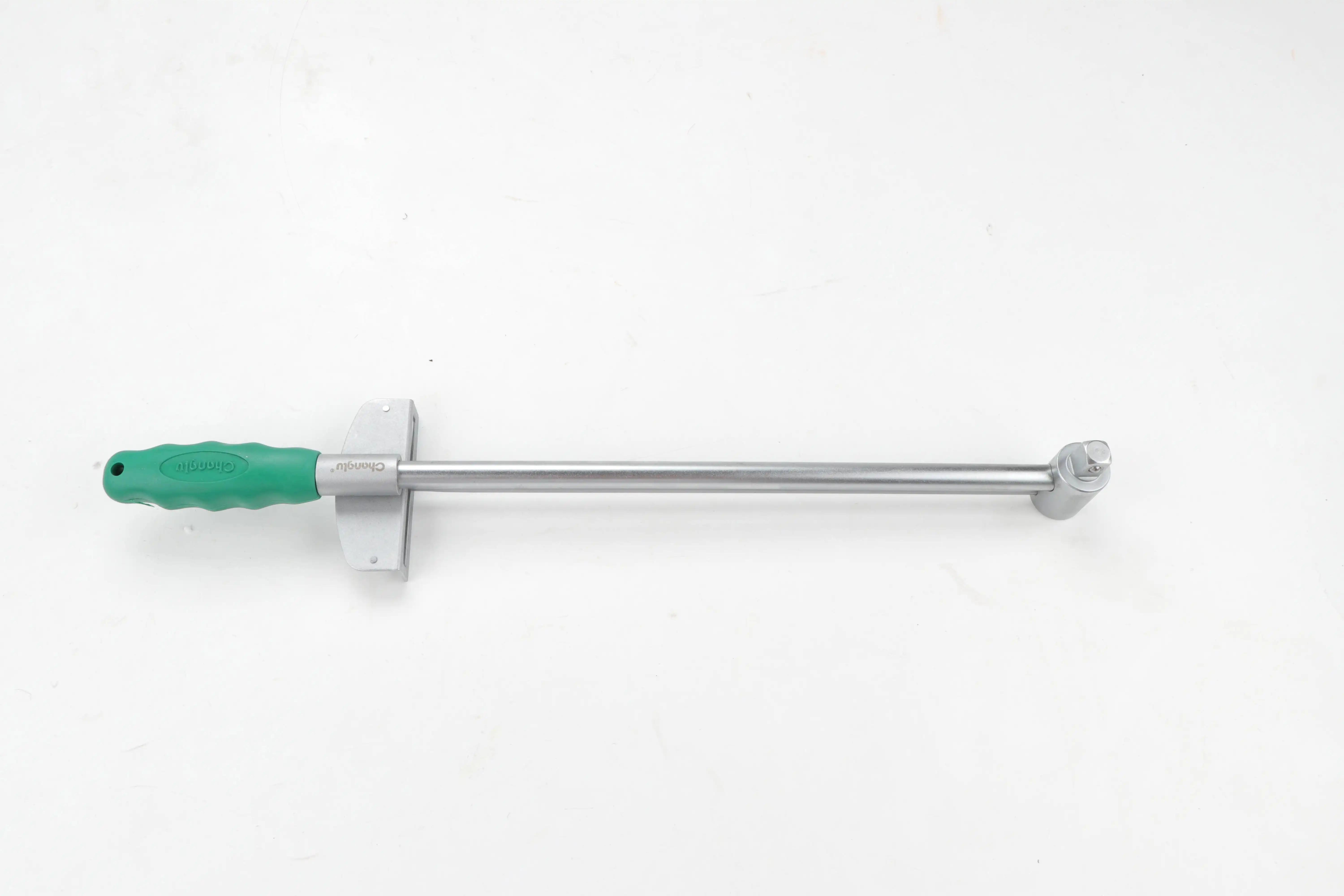
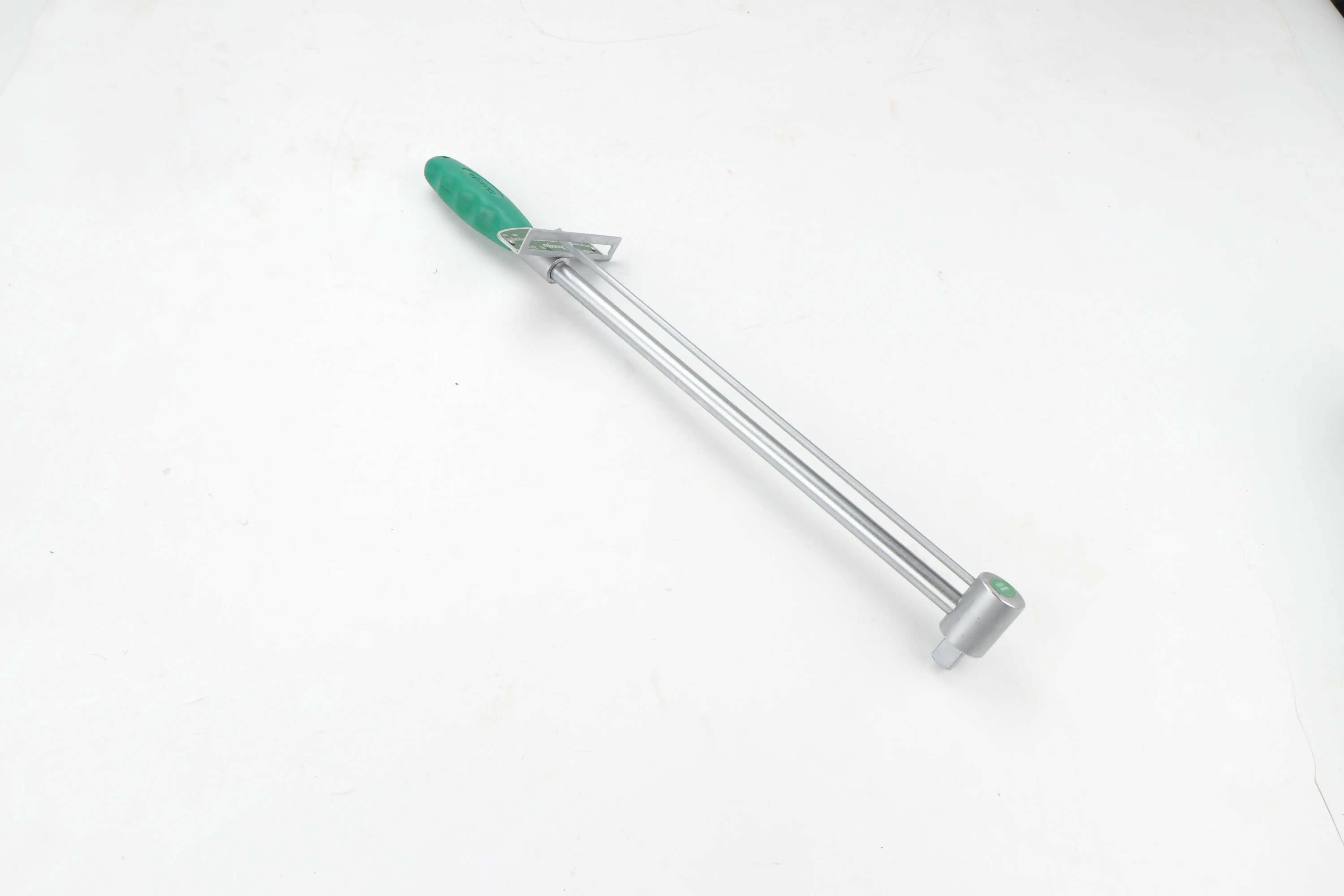
A dial torque wrench, often called a pointer torque wrench, is a precise tool that can impart a certain amount of torque to a fastener. Pointer wrenches have a dial gauge that shows the torque being applied in real time, unlike click-type torque wrenches. This gives you more accurate control and lets you see how much torque is building up as you tighten.
Important Parts of a Pointer Torque Wrench
To operate a pointer torque wrench correctly, you need to know what its primary parts are:
- Dial Gauge: Shows the torque being applied in real time
- Pointer: Shows the current torque reading on the dial
- Handle: Used to operate the wrench and exert force
- Drive Square: Connects to plugs to hold things in place
- Scale: Markings on the dial that are set up to give accurate readings
- Memory Pointer: An optional feature that shows the highest torque reached
Benefits of Using a Pointer Torque Pointer torque wrenches have a number of advantages for use in cars:
- Monitoring torque in real time
- Exact control of how much torque is used
- Ability to see how torque changes over time
- Good for both tightening and loosening tasks
- Ability to do a wide range of car repair jobs
By taking use of these benefits, mechanics can make sure that important parts are put together correctly, avoid damage from over-tightening, and keep their work consistent.
Step-by-Step Guide to Using a Pointer Torque Wrench Correctly
To get reliable results when fixing cars, you need to know how to use a pointer torque wrench correctly. To make sure you're using your wrench appropriately, do these things:
1. Get your tools and workspace ready
Before you start, make sure you have all the tools you need and that your work area is clean and well-lit. Keep the manufacturer's torque specs close to hand for quick reference.
2. Choose the Right Socket
Pick a socket that fits tightly over the fastener you need to work on. Make sure it is properly fastened to the driving square of your pointer torque wrench.
3. If necessary, set the Memory Pointer
If your wrench has a memory pointer, set it to zero or line it up with the main pointer before you use it.
4. Put the wrench in place Right
Put the socket over the fastener and make sure it is fully seated. For the most accurate readings, hold the wrench at a right angle to the bolt.
5. Use a steady, smooth force
Hold the handle tightly and push down slowly and steadily. Don't make rapid movements or apply force quickly, as this can cause the readings to be wrong.
6. Look at the Dial
As you push, keep an eye on the pointer on the dial. The pointer will move in a clockwise direction, showing that more torque is being delivered.
7. Stop at the Right Torque
Stop applying force as soon as the pointer reaches the right torque value. Don't go beyond the prescribed torque, as this could cause over-tightening and damage.
8. Check the Reading
Check that the memory pointer on your wrench lines up with the main pointer when the maximum torque is attained. This helps make sure that your application is correct.
9. Let Go of the Pressure Little by little
Let the pointer go back to its resting position by slowly letting go of the pressure on the wrench. This delicate release keeps the wrench's calibration correct.
10. Do this for more than one fastener
When working on a part with more than one fastener, make sure to follow a precise order when tightening them and apply torque in phases to make sure the pressure is evenly distributed.
Following these instructions every time will make your pointer torque wrench as accurate and reliable as possible, which will lead to better repairs and safer cars.
Calibration Techniques for Ensuring Accuracy in Pointer Torque Wrenches
To get consistent, precise results when fixing cars, you need to keep your pointer torque wrench properly calibrated. Regular calibration takes into account wear and tear, environmental conditions, and possible damage that could impact the tool's accuracy. Here are several important ways to calibrate your pointer torque wrench:
What Calibration Intervals Mean?
The number of times you need to calibrate depends on a number of things:
- How often you use it: If you use it every day, you need to calibrate it more often.
- Working conditions: If the environment is harsh, checks may need to be done more often.
- Advice from the maker: Always follow the tool maker's instructions
- Industry standards: Some fields have their own specialized calibration needs.
In general, you should calibrate your pointer torque wrench at least once a year or after every 5,000 uses, whichever comes first.
Checks Before Calibration
Before starting the calibration process:
- Check the wrench with your eyes for any signs of damage or wear.
- Make sure to clean the wrench well and get rid of any dirt or other junk.
- Make sure the pointer moves freely and goes back to zero when no force is put on it.
- Make sure that all of the moving parts are well-oiled.
Ways to Calibrate
There are two main ways to calibrate a pointer torque wrench:
Calibration Services for Professionals
If you want the most exact findings, you might think about hiring a professional calibration service. These services utilize sophisticated tools and follow industry standards to make sure your wrench is exactly what it needs to be.
Calibration on your own
DIY calibration can assist keep things accurate between professional calibrations, even though it isn't as precise as professional services:
- Use a strong vise and a known weight to make a calibrating setup.
- Find the distance from the center of the drive square to the center of the handle.
- To find the torque, use the formula: Torque = Force × Distance.
- Use the known weight and compare the readout on the wrench to what you calculated.
- Follow the manufacturer's instructions to make any necessary changes to the wrench.
Verification After Calibration
After calibration:
- To make sure it is always accurate, test the wrench at several torque levels.
- Write down the date and results of the calibration for future use.
- Put a calibration sticker on the wrench that shows when it is due next.
Keeping Calibration Up
To keep your wrench's calibration between official checks:
- Put the wrench away in a clean, dry place.
- Don't drop or mishandle the tool.
- After using the wrench, always let go of the strain.
- Check the accuracy of the zero position from time to time.
If you follow these calibration and maintenance steps, your pointer torque wrench will stay a trusted instrument for precise car repairs.
Conclusion
To do accurate car repairs, you need to know how to operate and calibrate a pointer torque wrench. If you follow the instructions in this tutorial, you can make sure that you use the right amount of torque, take care of your tools, and do work that meets the manufacturer's standards. To get good at using this important skill, you need to practice it regularly and pay attention to the small things.
Shandong Changlu Tools Co., Ltd. has a wide choice of options for automotive experts and workshop owners who need reliable, high-quality torque wrenches and other precision tools. We make products that match the high standards of the automobile industry, giving you the accuracy and durability you need for important repair and maintenance work. We want to be your valued partner in automotive tooling by always putting quality and customer satisfaction first.
FAQs
Q1: How often should I calibrate my pointer torque wrench?
A: It's recommended to calibrate your pointer torque wrench at least annually or after every 5,000 cycles of use, whichever comes first. However, if you use the tool frequently or in harsh conditions, more frequent calibration may be necessary. Always follow the manufacturer's guidelines for your specific model.
Q2: Can I calibrate my pointer torque wrench at home?
A: While professional calibration is the most accurate method, you can perform basic calibration checks at home using a calibration rig with known weights. However, this DIY method is not as precise as professional calibration and should be used primarily for interim checks between professional services.
Q3: What's the difference between a pointer torque wrench and a click-type torque wrench?
A: The main difference lies in how they indicate the applied torque. A pointer torque wrench uses a dial gauge to show real-time torque readings, allowing you to see the torque build up as you tighten. A click-type wrench, on the other hand, makes an audible click when the preset torque is reached. Pointer wrenches offer more precise control and are ideal for applications where observing torque progression is important.
Premium Pointer Torque Wrenches for Professional Automotive Repair | Changlu
Looking for top-quality pointer torque wrenches that deliver unmatched precision and durability? Shandong Changlu Tools Co., Ltd. offers a superior range of torque wrenches designed specifically for the demands of professional automotive repair. Our pointer torque wrenches feature clear, easy-to-read scales and smooth-operating mechanisms, ensuring accurate and consistent torque readings every time.
With sizes available up to 300 N.m and a robust 1/2 inch square drive, our wrenches are perfect for a wide range of automotive applications. Crafted from high-grade chrome vanadium steel, these tools are built to withstand the rigors of daily use in busy workshops.
Don't compromise on quality when it comes to critical torque applications. Choose Changlu for reliable, precision-engineered torque wrenches that help you deliver superior results in every repair job. Contact us today at changlu@shukuntools.com to learn more about our products and how we can support your automotive repair needs.
References
1. Smith, J. (2022). "Automotive Torque Wrench Calibration: Best Practices for Precision Mechanics." Journal of Automotive Engineering, 45(3), 278-292.
2. Johnson, A. & Lee, S. (2021). "Comparative Analysis of Pointer vs. Click-Type Torque Wrenches in High-Precision Automotive Applications." International Journal of Mechanical Tools, 18(2), 112-128.
3. Automotive Service Excellence (ASE). (2023). "Torque Wrench Maintenance and Calibration Guide for Professional Mechanics." ASE Technical Publication Series.
4. Brown, R. (2020). "The Impact of Proper Torque Application on Vehicle Safety and Performance." SAE International Technical Paper Series, No. 2020-01-1234.
5. Thompson, E. et al. (2021). "Advancements in Torque Measurement Technologies for Automotive Repair and Maintenance." Proceedings of the 15th International Conference on Automotive Engineering, pp. 345-360.
6. National Institute of Standards and Technology (NIST). (2022). "Calibration Procedures for Torque Measuring Devices in Automotive Applications." NIST Special Publication 250-XXX.
_1752132603090.webp)
Learn about our latest products and discounts through SMS or email